
Description
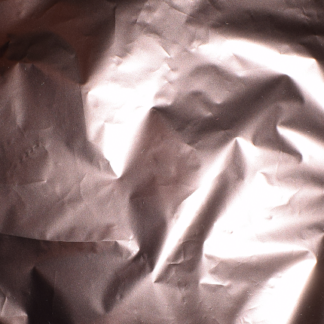
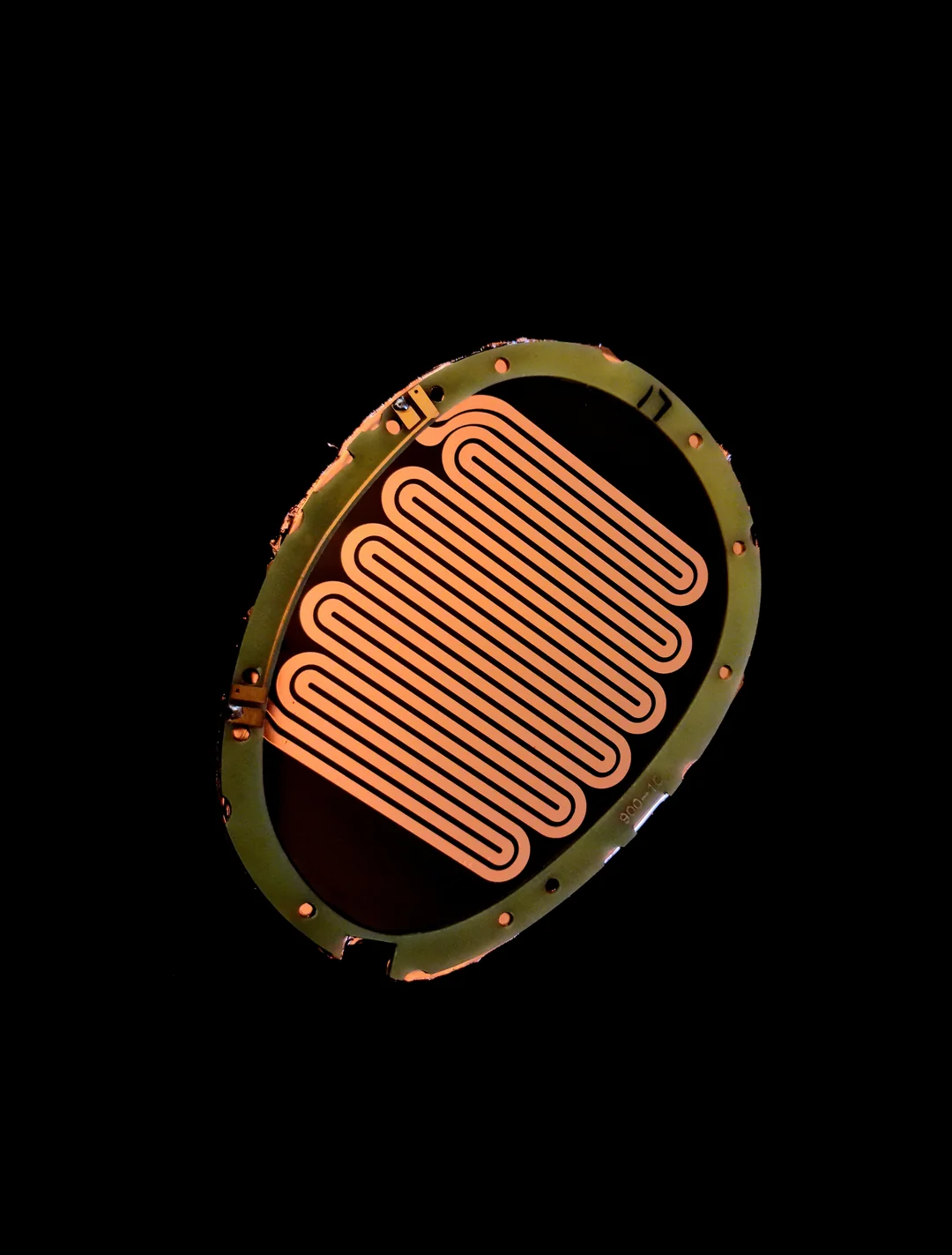
This copper-coated 5 micron PET foil was originally custom made for my own planar magnetic driver development. After receiving many requests from the DIY audio community, I decided to make it available so others can also experiment with high-quality materials without the need to laminate foil themselves.
The foil uses oxygen-free copper (OFC), which provides excellent conductivity and improved resistance to oxidation over time compared to standard copper coatings. This ensures better long-term stability and durability for both prototyping and finished driver assemblies.
Compared to aluminum, copper offers significantly higher electrical conductivity while also being more flexible and less brittle. Because of this, less conductive material is required to achieve the same electrical efficiency, allowing for lighter and more optimized trace designs while maintaining excellent performance characteristics for planar magnetic applications.
The copper coating uniformity is maintained within approximately ±5% across 1 m², helping ensure consistent electrical and mechanical properties between sheets.
Unlike many commonly used foils on the market, this foil is non-stretchable. This means the material remains structurally stiff and stable during handling and tensioning, while still allowing the necessary diaphragm excursion required for planar magnetic driver operation. This balance between stiffness and controlled flexibility is especially important for achieving predictable performance and maintaining diaphragm stability.
Each foil sheet measures 16 × 16 cm, which is the exact size designed for compatibility with the dedicated foil tensioning and tuning frame that will also be available separately. This allows for a more precise and repeatable diaphragm preparation process, making driver tuning and tensioning significantly easier and more consistent.
Each package contains two pieces of this foil.
Minor surface imperfections such as small wrinkles are completely normal and are also present in the material I personally work with. Before mounting the diaphragm into the PCB ring, the membrane should be properly tensioned. After installation, gently heat the foil from the copper side using a hair dryer or heat gun from a safe distance for approximately 5–10 seconds while gradually increasing tension. It is recommended to keep the temperature at 100°C or lower during this process. When done correctly, even larger wrinkles will disappear completely, resulting in a smooth and properly tensioned diaphragm surface.